A Calmer Scalp: The Modern Guide to Dandruff Relief
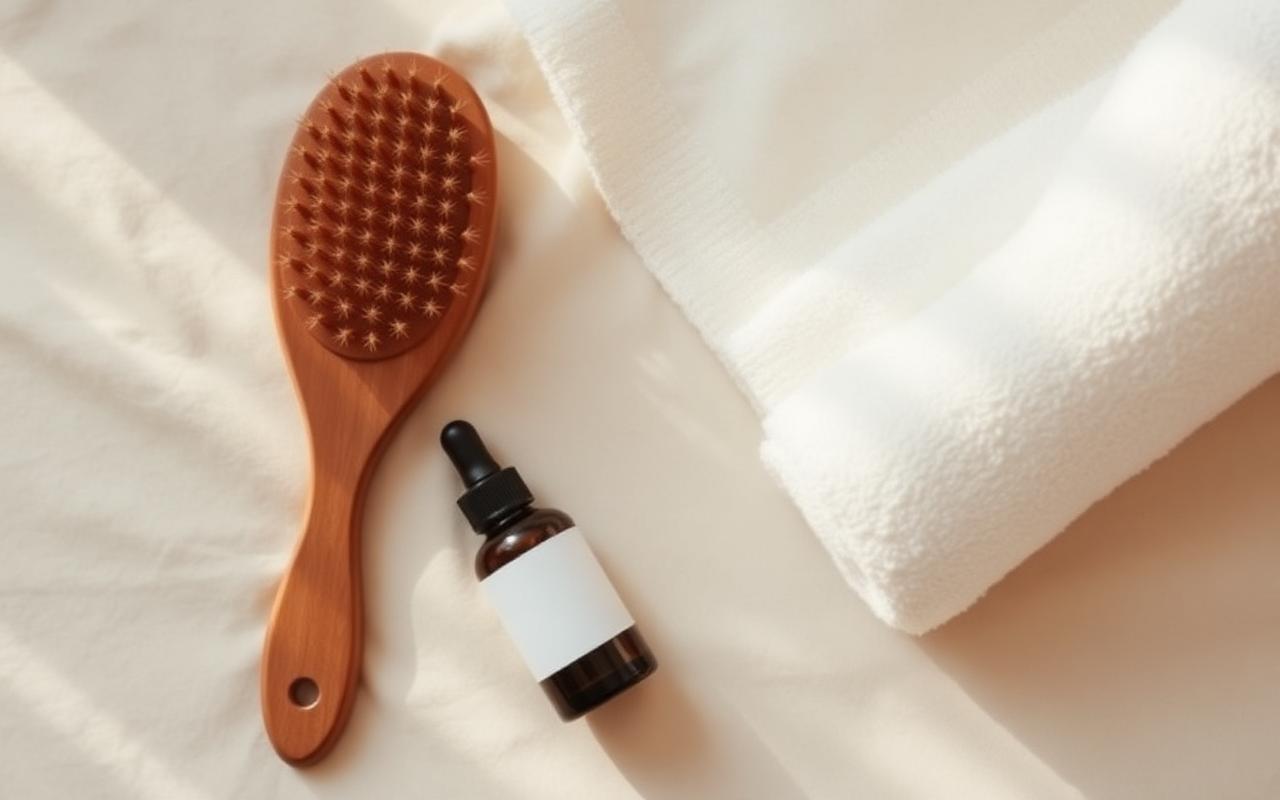
Dandruff isn't just a winter problem — and it's rarely about hygiene. It's a microbiome story: when the natural yeast on your scalp tips out of balance, flakes, itch and redness follow. Here's how to bring it back to calm.
What dandruff really is
Most dandruff is driven by Malassezia, a yeast that lives on every scalp. When it overgrows — often from oily buildup, stress or harsh products — it irritates the skin and accelerates cell turnover, creating those visible flakes.
Treating dandruff means rebalancing the microbiome, not stripping your scalp. Aggressive shampoos make it worse over time.
Ingredients that actually calm flakes
Piroctone Olamine is a gentle, non-stripping antifungal that targets Malassezia without disturbing the rest of your skin barrier.
Salicylic acid lifts buildup so actives can reach the scalp. Niacinamide and allantoin soothe redness and reinforce a healthy moisture barrier.
Your weekly anti-dandruff ritual
Apply Silk & Sage serum to your scalp every evening. Massage for 1–2 minutes to lift dead skin and stimulate circulation.
Wash hair 2–3 times per week with a mild shampoo, focusing on the scalp. Avoid scalding hot water and tight ponytails on damp hair.
Switch to a clean pillowcase weekly and limit silicone-heavy styling products that trap residue.
When to expect relief
Itch and redness usually ease within the first 1–2 weeks. Visible flake reduction follows by week 4. Stay consistent — dandruff returns when routines stop.
Where's your scalp on the itch-to-calm scale this week, and what's actually changed about your routine to get it there?